
How to Know When It's Time to Replace Your Roof
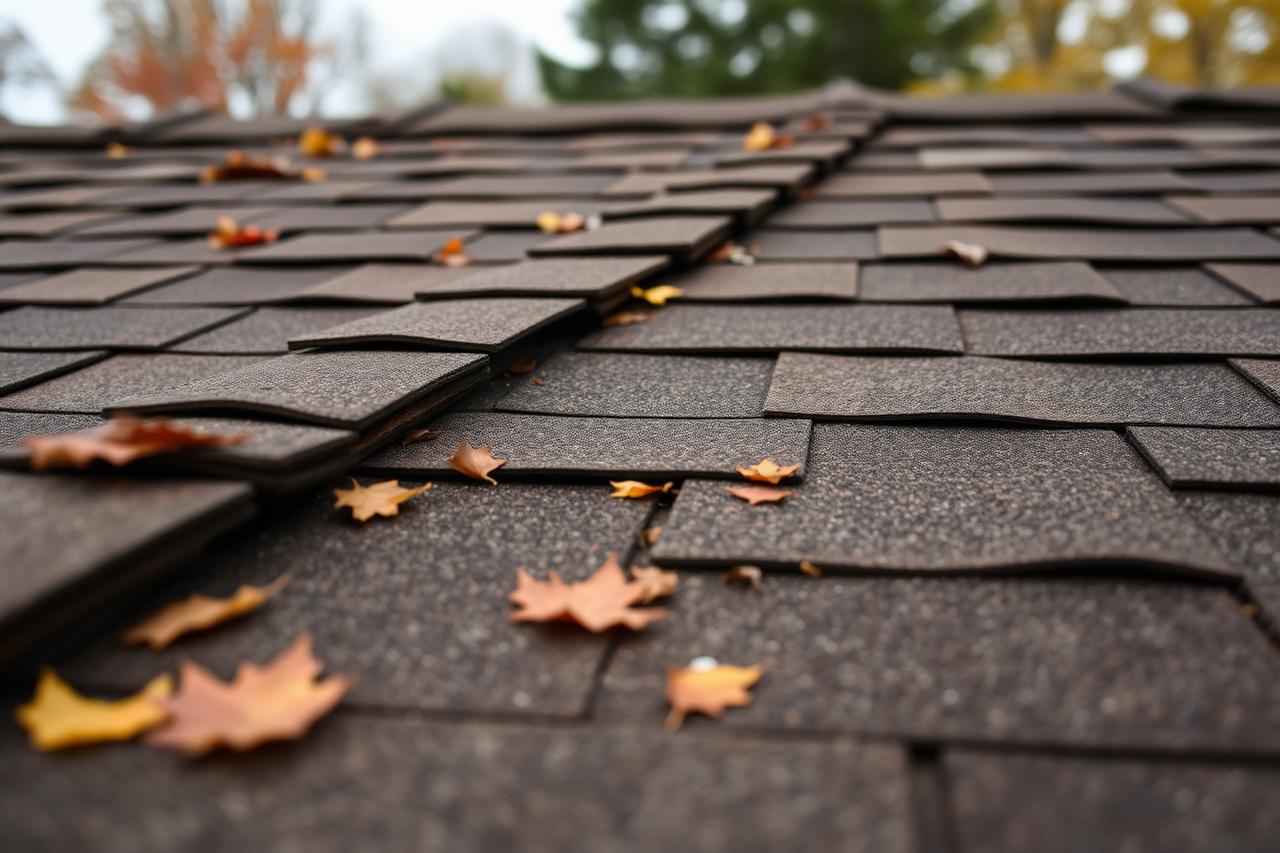
Most roofs in Minnetonka don't fail overnight. They wear out quietly through a decade of hail, ice, wind off the lake, and 100-degree temperature swings between January and July. By the time a homeowner sees water on a ceiling, the roof has usually been telling the story for a few seasons already.
You don't need to climb up there to read most of those signs. Here's what to look for, what each symptom usually means, and when a targeted repair is genuinely the smarter move.
Start from the ground with binoculars
Walk the perimeter of your house on a bright, dry day and look at the roof plane by plane. The south and west faces take the most sun and typically age first, so compare them to a shaded slope on the same house.
- Curling or clawing shingle edges — the mat underneath has dried out and is pulling away.
- Bald patches or shiny spots where the protective granules are gone.
- Shingles that look sunken between rafters, which usually means soft decking.
- Missing tabs after a windstorm, especially along ridges and rake edges.
- Rust streaks or lifted metal around chimneys, vents, and valleys.
Check your gutters and downspout splash blocks
Granules look like coarse black sand. A handful in your gutters after a new roof goes on is normal — that's leftover manufacturing material. Steady granule loss years later is not. It means the asphalt is exposed and UV is now cooking the shingle directly.
Then go inside the attic
The attic tells you more than the shingles do. Bring a flashlight on a sunny afternoon and turn your light off once your eyes adjust.
- Daylight through the roof deck means gaps that water can find too.
- Dark streaks or water staining on the underside of the decking or on rafters.
- Damp or matted insulation, especially near the eaves.
- Frost buildup on nail tips in winter — a ventilation problem that shortens roof life.
- A musty smell even when everything looks dry.
Homes around Deephaven and Wayzata with older, partially finished attics are especially worth checking, because a slow leak can travel along a rafter for a long time before it shows up on drywall.
Age matters, but it isn't the whole story
Two identical builder-grade roofs installed the same year in Excelsior can age completely differently depending on ventilation, attic insulation, tree cover, and how many hailstorms clipped that particular block. Age plus condition is what matters — not age alone.
If your roof is on the older end and you're seeing several of the signs above on multiple slopes, you're likely looking at replacement. If it's mid-life and the problem is isolated to one valley, one flashing detail, or one wind-damaged section, a repair may buy you years.
When a repair is the right call
- Damage is limited to a single slope or a single penetration.
- The shingles still lie flat and hold their granules everywhere else.
- The decking underneath is solid with no soft spots.
- You can still get matching shingles for a clean-looking patch.
Don't ignore the boring parts
Flashing, pipe boots, and ventilation cause a surprising share of leaks on roofs that otherwise have life left. Rubber pipe boots crack long before shingles wear out. Step flashing along a chimney or dormer wall can back out over time. These are fixable problems — but only if someone actually looks at them.
The same goes for drainage. If your gutters overflow or your downspouts dump against the fascia, the edge of your roof stays wet far longer than it should. That's why we usually look at the roof and the gutter system together.
What a real inspection should include
A useful roof inspection covers decking, flashing, ventilation, and shingles, and it comes back to you with photos you actually get to see. You should finish the conversation knowing which slopes are failing, whether a repair is realistic, and what you'd be paying for if you replace.
That's how we handle every inspection at Rocket Roofing. If a repair will hold, we'll tell you that first — we'd rather earn the replacement later than sell you one you don't need yet.
Get a straight answer on your roof
If anything on this list sounds like your house, have it looked at before the next storm rolls through the west metro. Call Rocket Roofing at 952.649.6449 or request a fast quote — we serve Minnetonka, Wayzata, Excelsior, Deephaven, and the surrounding metro, and every job is backed by our satisfaction guarantee.
Ready for a straight answer?
Rocket Roofing inspects first, documents with photos, and backs every job with our satisfaction guarantee. High standards, higher quality.